

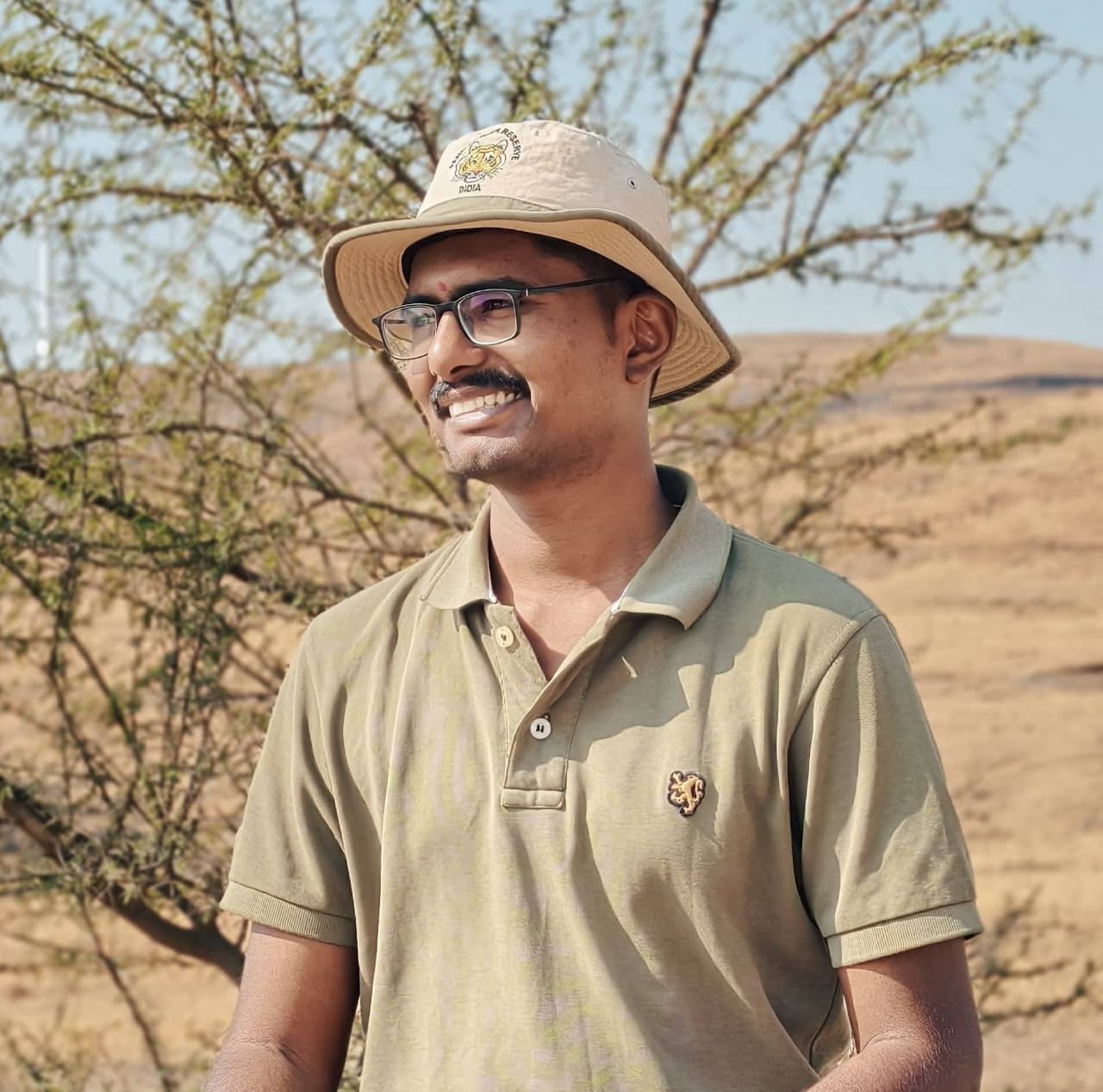
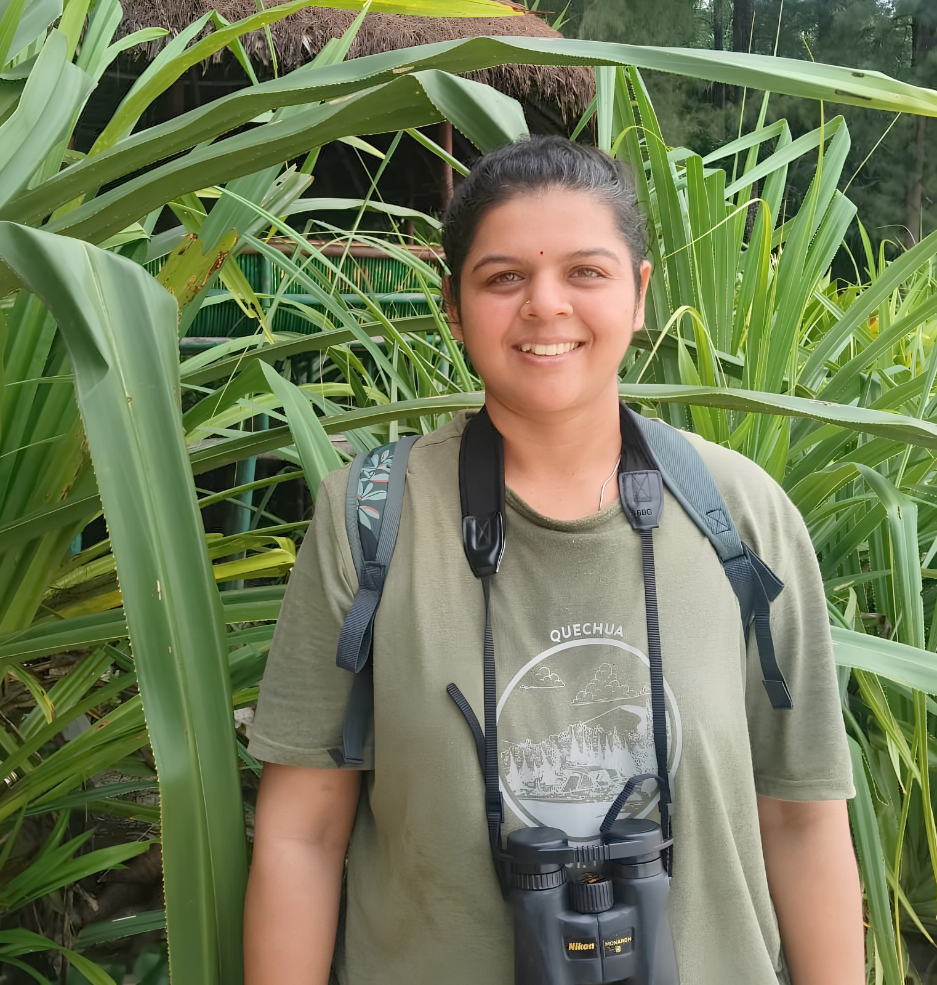
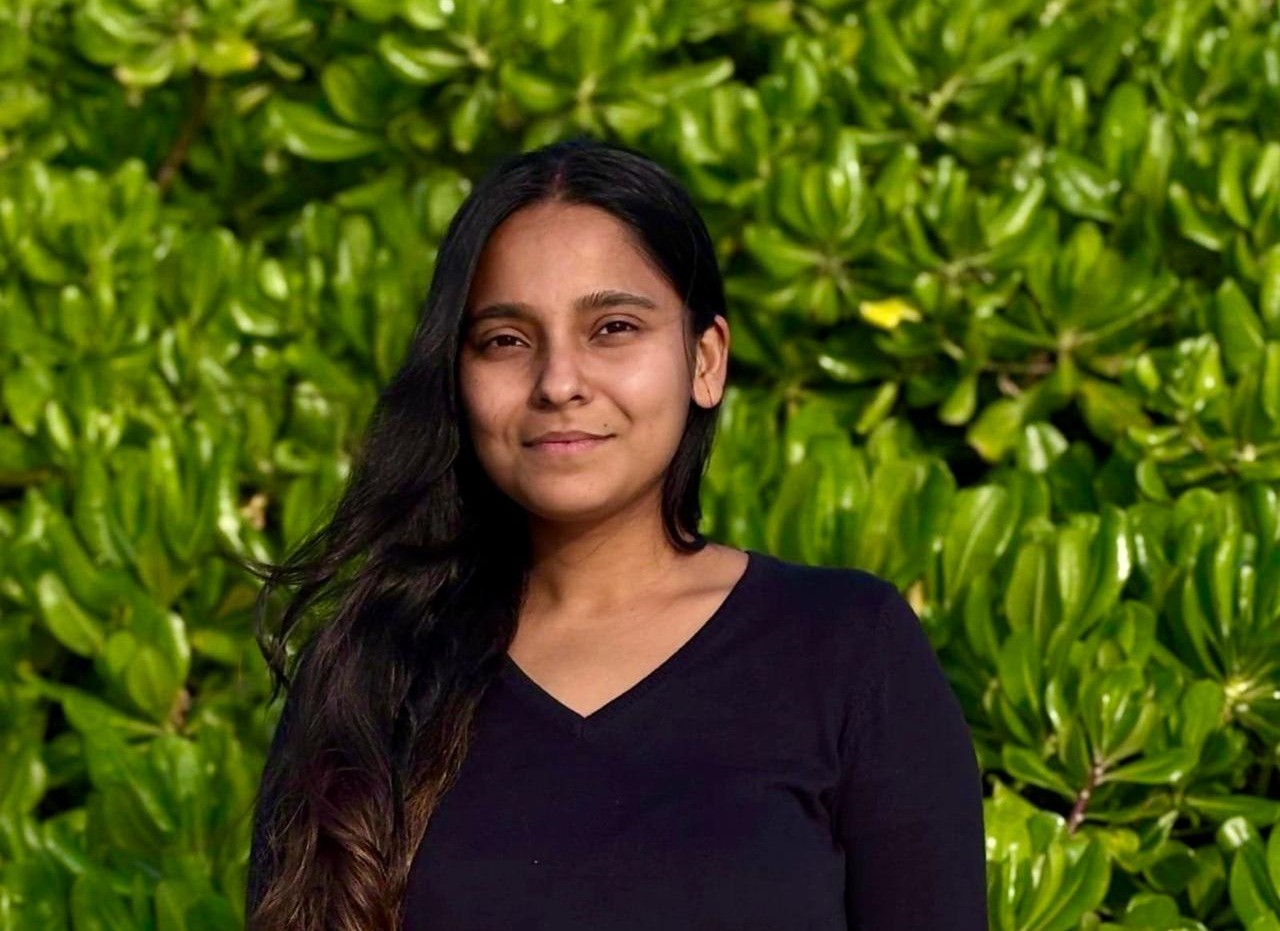
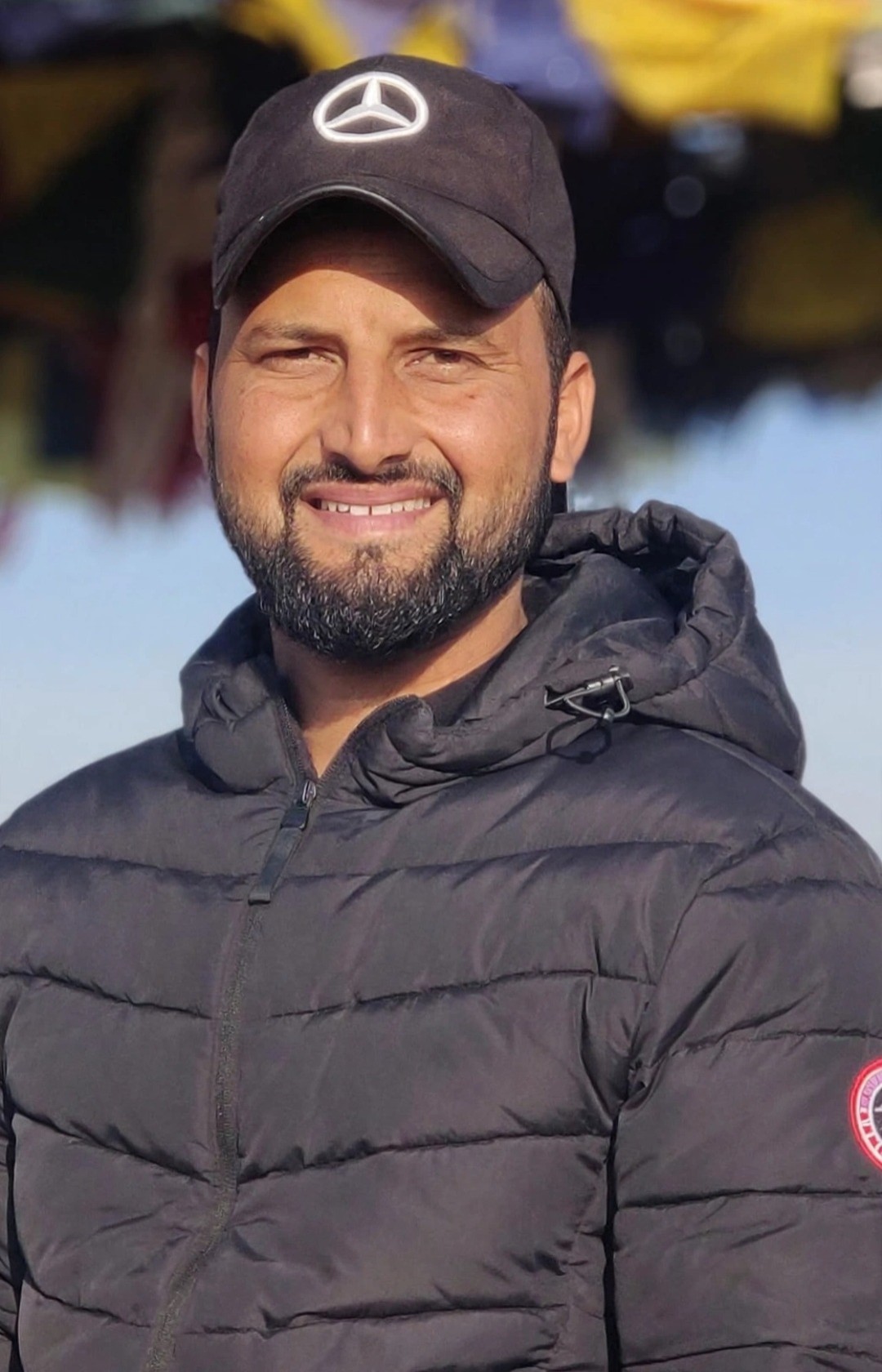
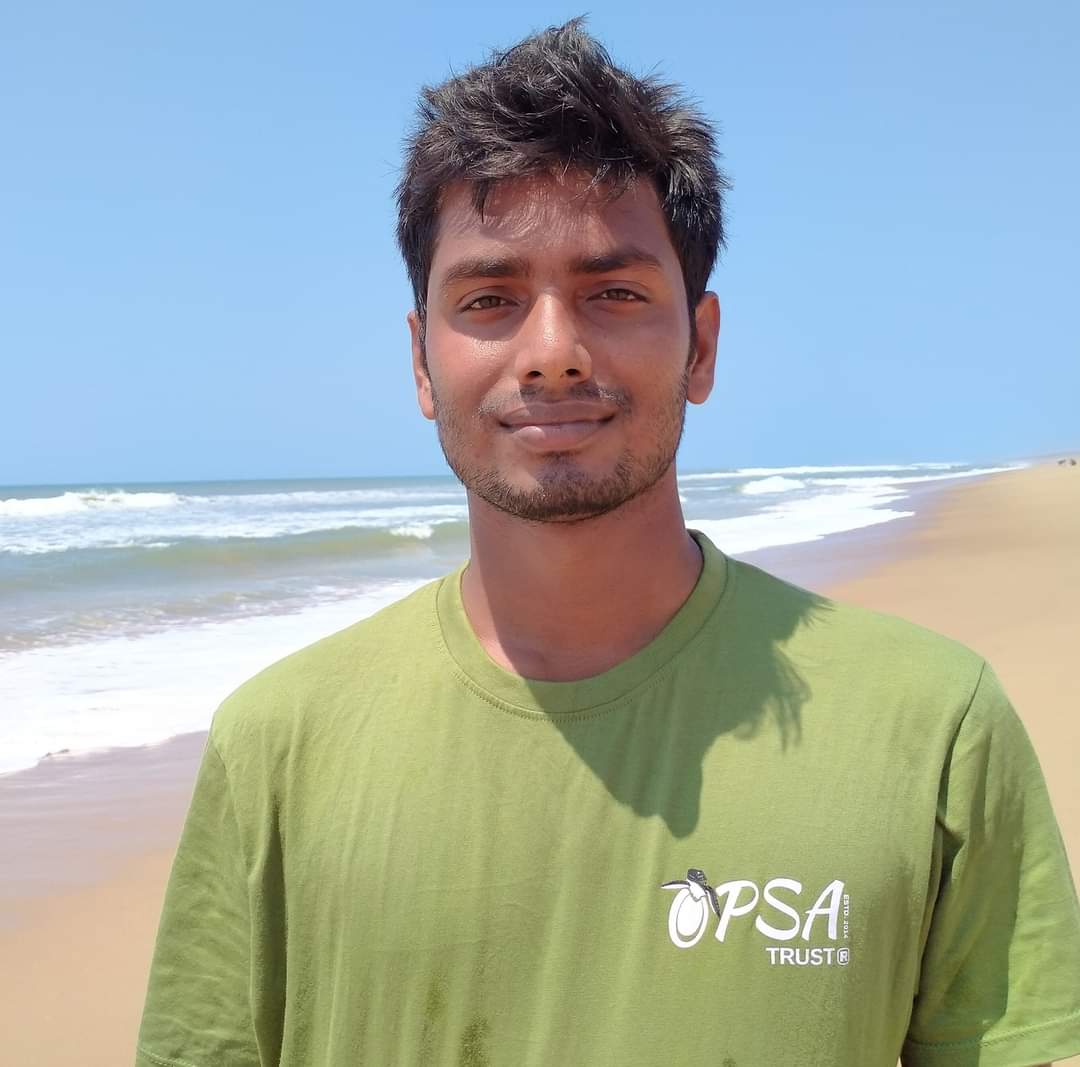


The Community of Champions brings together experienced Conservation Practitioners and Researchers who will support the Fellows through their journeys. As Mentors, they will help Fellows refine their research work and navigate field realities, while some will lead workshops and skill sessions during the Fellowship.
IISER Mohali
Nature Conservation Foundation
Tendril Consultancy
Centre for Pastoralism
Khangchendzonga Conservation Committee
Ex - WWF India and PRADAN
WWF
Metastring Foundation
Centre for Pastoralism
Coalition for Wildlife Corridors
WWF
Conservation Initiatives
AEEE
Tezpur University
SaciWaters
Consulting/India Ecoacoustics Network
EQUINOCT Community Sourced Modelling Solutions
Nature Conservation Foundation
Currently Independent Researcher (temporary affiliation with Centre for Ecological Sciences, Indian Institute of Science)
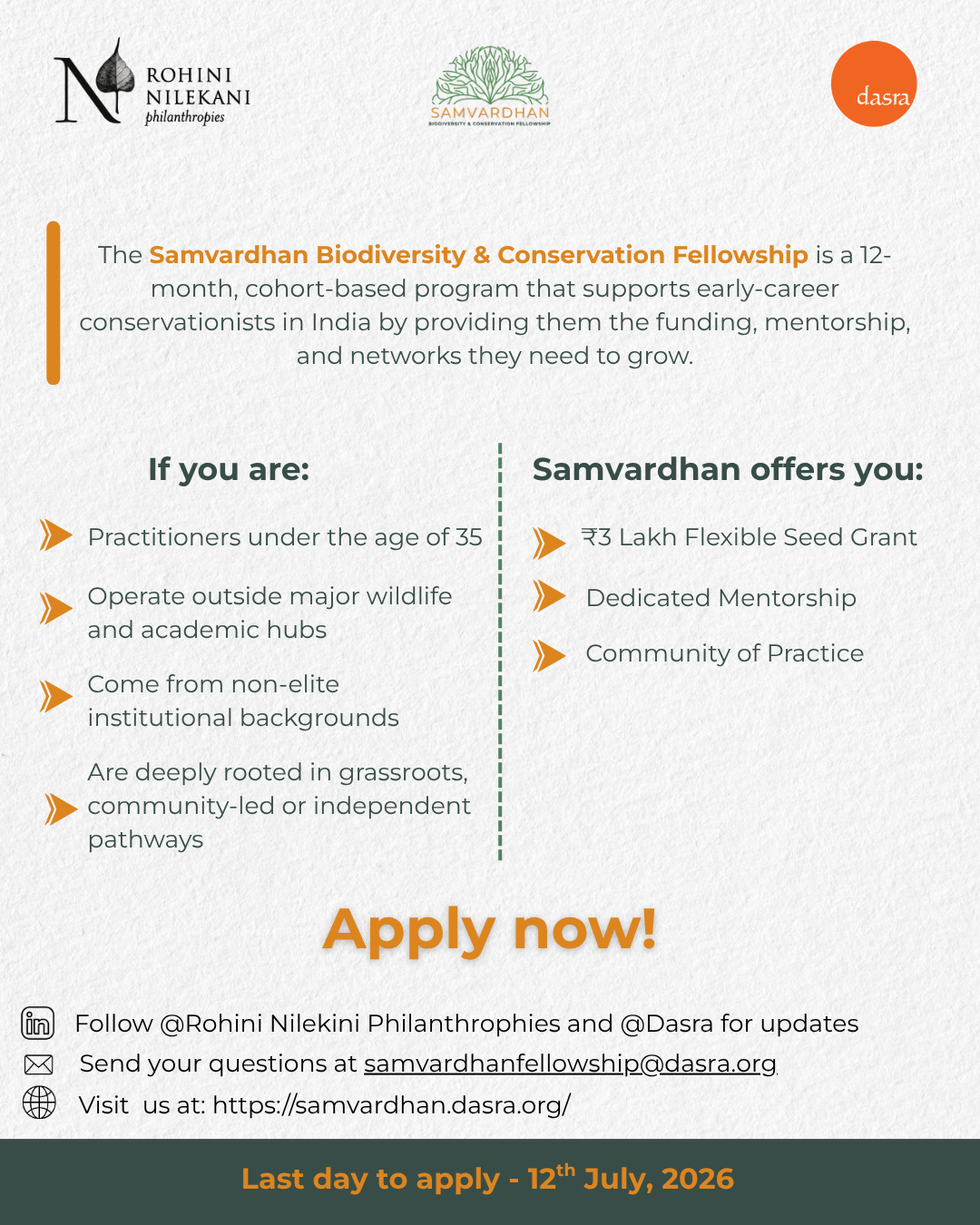
The Samvardhan Biodiversity & Conservation Fellowship is a 12-month, cohort-based program that supports early-career conservationists in India by providing them the funding, mentorship, and networks they need to grow.
The word ‘Samvardhan’, meaning to nurture, strengthen, and support growth, reflects the core intent of this Program. The program is designed to be learning-oriented and trust-based, with an emphasis on reflection, collaboration and process over rigid outputs.
The goal is to create an ecosystem of peer networks and supportive mentorship where the Fellows can learn from each other and experts in the field; explore new avenues and re-imagine their own communities and landscapes; and map out their own journeys within India's rich conservation landscape.
The Fellowship offers a bundled support ecosystem for Fellows:
The Fellowship has been designed to guide the Fellows through
a 12-month journey that integrates
field exploration with structured mentorship.
The first stage focuses on helping Fellows get started, meet their peers and set their foundations.
Fellows kick off the journey by meeting their cohort and Mentors in person at Orientation, followed by virtual sessions to refine their early ideas using peer and practitioner feedback.
By the end of this stage, Fellows will have a clear understanding of the program resources and will officially lock in their initial focus area.
This stage will support Fellows in planning their direction and mapping out their year ahead.
During this phase, Fellows begin regular 1:1 check-ins with their Mentors to narrow down and clearly articulate their specific thematic or geographical focus area.
By the end of this stage, Fellows will have finalised their focus area and co-created an intentional, personalized "Journey Map" to guide them through the rest of the program.
Stage 3 focuses on helping Fellows head into the field and learn directly from local communities.
During this phase, Fellows spend time on the ground exploring local environmental and community contexts while exploring and documenting traditional or indigenous conservation practices.
By the end of this stage, Fellows will bring their field insights together to produce a context exploration note, a local stakeholder map and detailed documentation of these traditional practices.
Stage 4 focuses on helping Fellows look at their field insights and see what works in practice.
During this phase, Fellows take a step back to identify recurring patterns and lessons from their time on the ground, while assessing the feasibility of their proposed action pathways.
By the end of this stage, Fellows will bring these reflections together into a note that outlines their key insights, feasibility for action, and unanswered questions within the ecosystem.
Stage 5 focuses on helping Fellows wrap up their learnings and plan their next steps.
During this final phase, Fellows bring together their full 12 months of field insights while building their storytelling and communication capacities to effectively share their work.
By the end of this stage, Fellows will consolidate their entire journey into a final reflective summary note or a creative narrative piece to help bridge their work back into the wider conservation world.
A compilation of Grants and Fellowships available to conservation practitioners in India, curated by Conservation Scientist Prachi Thatte with inputs from the Ecological Restoration Alliance (ERA). It covers a range of thematic areas, geographies and career stages.
Some of the most important conservation work in India is happening quietly, far from visibility and formal recognition. Young practitioners working closely with communities and ecosystems often have deep knowledge and commitment, but very little support. The Samvardhan Fellowship is built on a simple belief: that people doing this work deserve trust, time, and the freedom to ask difficult questions, explore new pathways, and grow within a community of peers. If we want more resilient and inclusive conservation pathways, we must invest not just in projects, but also in young people, relationships, and long-term learning.